
The Guide
Everything worth knowing.
Diamonds, settings and the bespoke process, explained plainly by the atelier that makes each piece by hand.
Diamond Education
Diamond Education
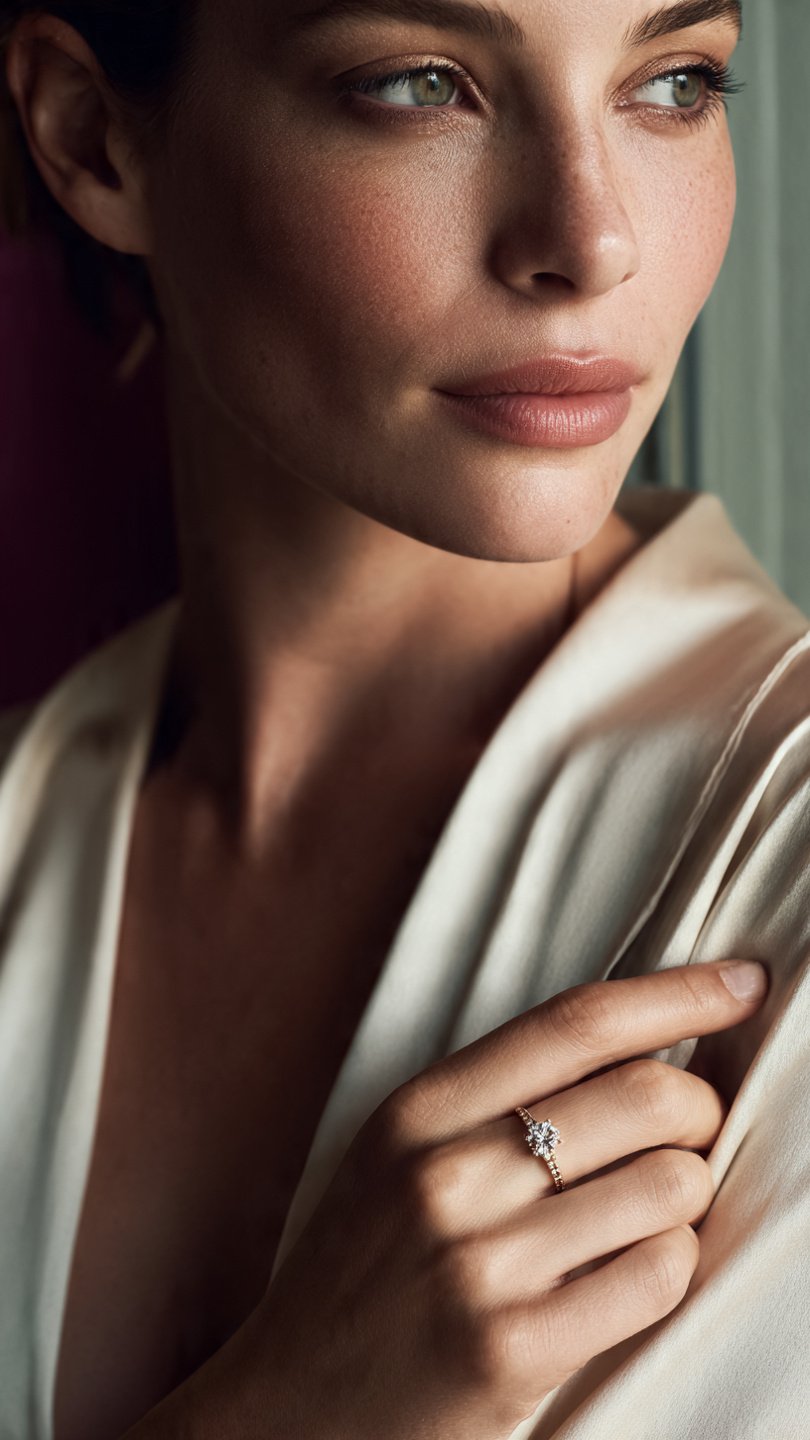 Lab-Grown vs. Natural Diamonds: Which Is Right for You
How lab-grown diamonds are actually made, why natural stones remain equally legitimate, and the certification both share.
Read
Lab-Grown vs. Natural Diamonds: Which Is Right for You
How lab-grown diamonds are actually made, why natural stones remain equally legitimate, and the certification both share.
Read
 Understanding Your Certificate: GIA, HRD & IGI
What a real certificate actually documents beyond the 4Cs, how to read the clarity plot, and why it is proof, not an appraisal.
Read
Understanding Your Certificate: GIA, HRD & IGI
What a real certificate actually documents beyond the 4Cs, how to read the clarity plot, and why it is proof, not an appraisal.
Read
Diamond Shapes
Diamond Shapes
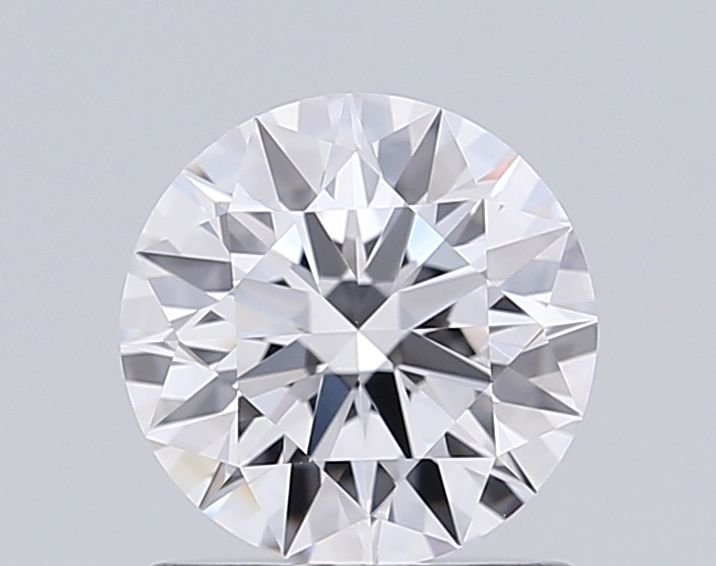 Round: The Shape Every Other Cut Is Measured Against
Why the round brilliant remains the top performer for fire and brilliance, what it costs in rough, and what to actually prioritize when buying one.
Read
Round: The Shape Every Other Cut Is Measured Against
Why the round brilliant remains the top performer for fire and brilliance, what it costs in rough, and what to actually prioritize when buying one.
Read
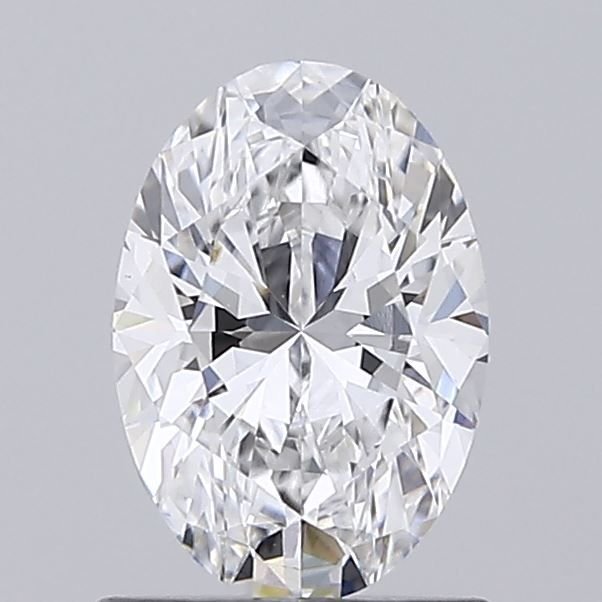 Oval: A Shape That Lengthens the Finger
Why an oval reads larger than its carat weight, the real bow-tie effect worth checking in person, and who chooses it.
Read
Oval: A Shape That Lengthens the Finger
Why an oval reads larger than its carat weight, the real bow-tie effect worth checking in person, and who chooses it.
Read
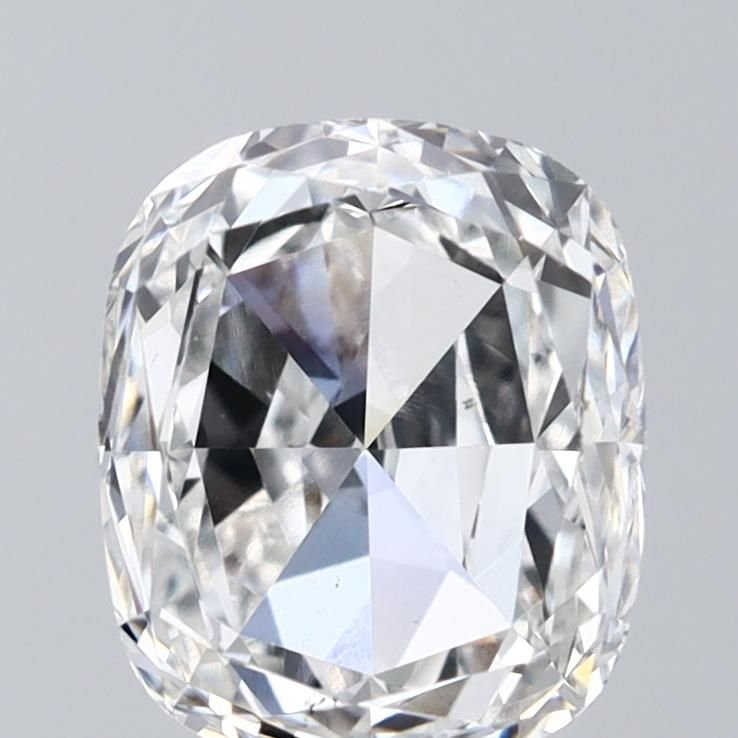 Cushion: A Soft, Antique Silhouette
The real 19th-century lineage behind the cushion cut, classic vs. crushed-ice finishes, and who it genuinely suits.
Read
Cushion: A Soft, Antique Silhouette
The real 19th-century lineage behind the cushion cut, classic vs. crushed-ice finishes, and who it genuinely suits.
Read
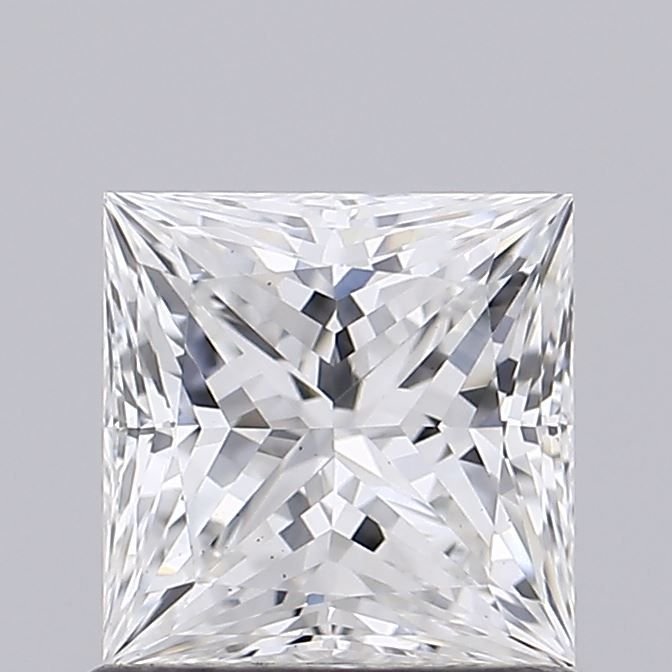 Princess: A Round’s Fire, Cut to Sharp Corners
Why the princess cut was developed to bring brilliant sparkle to a square shape, what it means for cost, and how the corners are protected.
Read
Princess: A Round’s Fire, Cut to Sharp Corners
Why the princess cut was developed to bring brilliant sparkle to a square shape, what it means for cost, and how the corners are protected.
Read
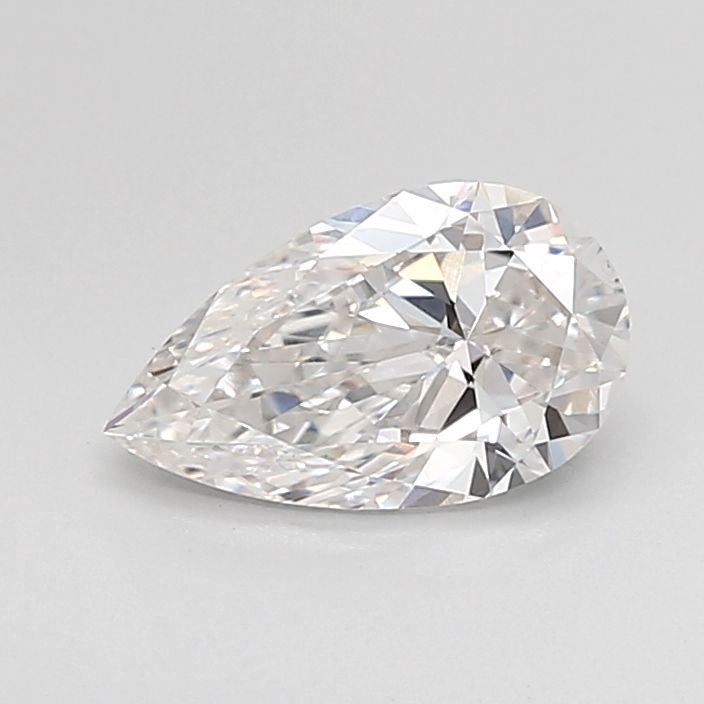 Pear: One Point, Perfectly Balanced
Why symmetry matters more on a pear than almost any other cut, how the point is protected, and who chooses it.
Read
Pear: One Point, Perfectly Balanced
Why symmetry matters more on a pear than almost any other cut, how the point is protected, and who chooses it.
Read
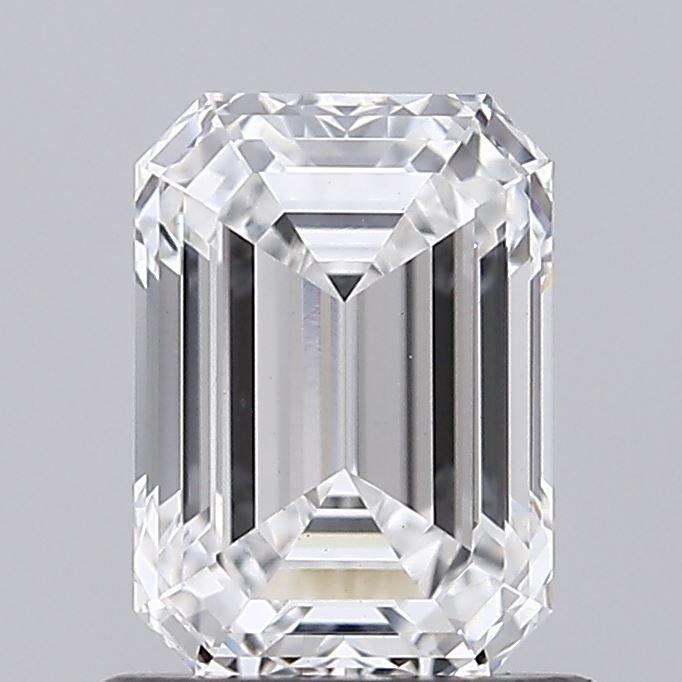 Emerald: The Hall-of-Mirrors Cut
Why a step cut sparkles so differently from a brilliant cut, why clarity matters more here, and the real Art Deco history behind it.
Read
Emerald: The Hall-of-Mirrors Cut
Why a step cut sparkles so differently from a brilliant cut, why clarity matters more here, and the real Art Deco history behind it.
Read
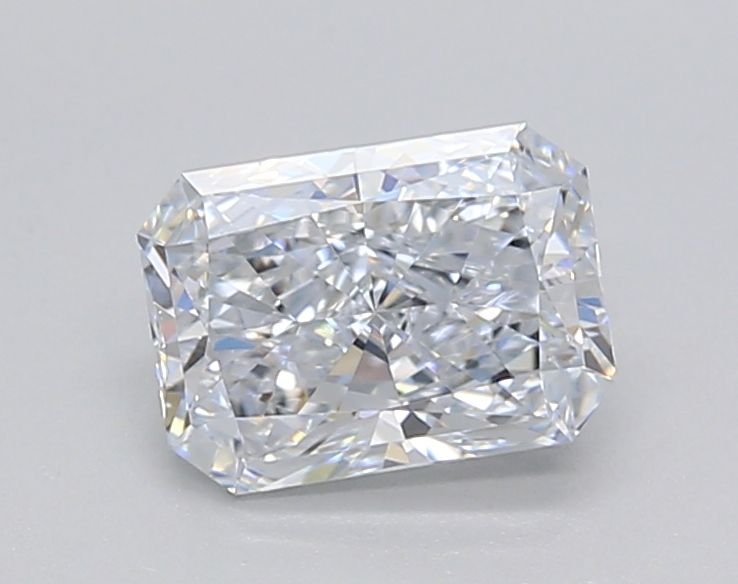 Radiant: Brilliant Sparkle, Emerald-Cut Outline
The 1977 hybrid designed to merge brilliant fire with a step cut's clean rectangular silhouette, and why the corners are cropped on purpose.
Read
Radiant: Brilliant Sparkle, Emerald-Cut Outline
The 1977 hybrid designed to merge brilliant fire with a step cut's clean rectangular silhouette, and why the corners are cropped on purpose.
Read
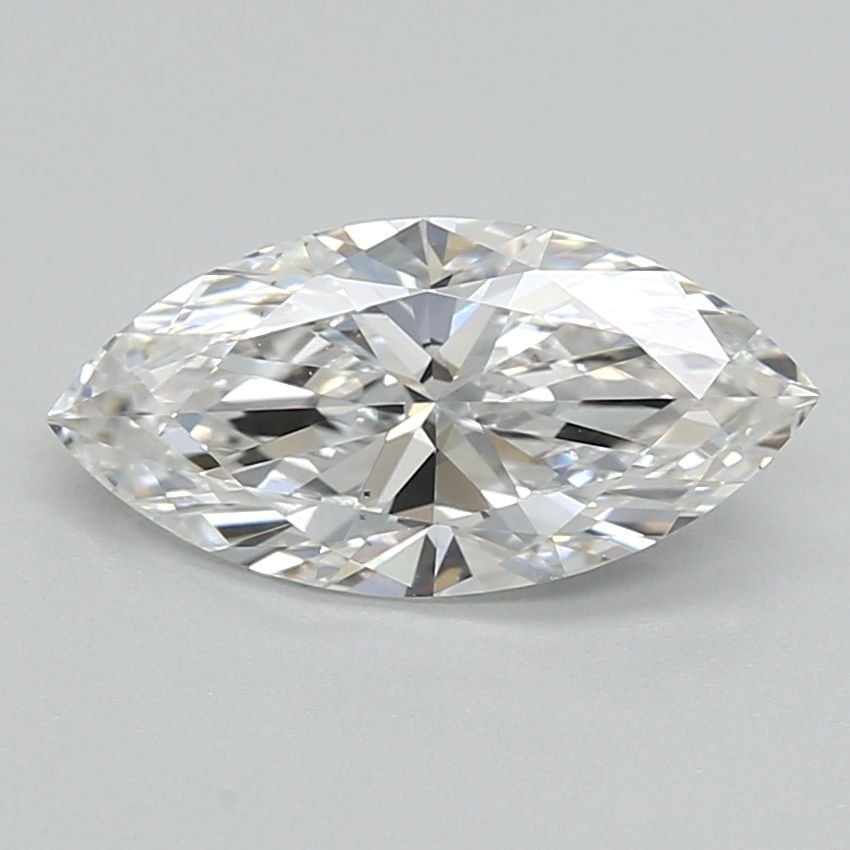 Marquise: The Largest-Looking Carat in the Collection
Why a marquise reads larger than any other shape per carat, the real French royal legend behind its silhouette, and how both points are protected.
Read
Marquise: The Largest-Looking Carat in the Collection
Why a marquise reads larger than any other shape per carat, the real French royal legend behind its silhouette, and how both points are protected.
Read
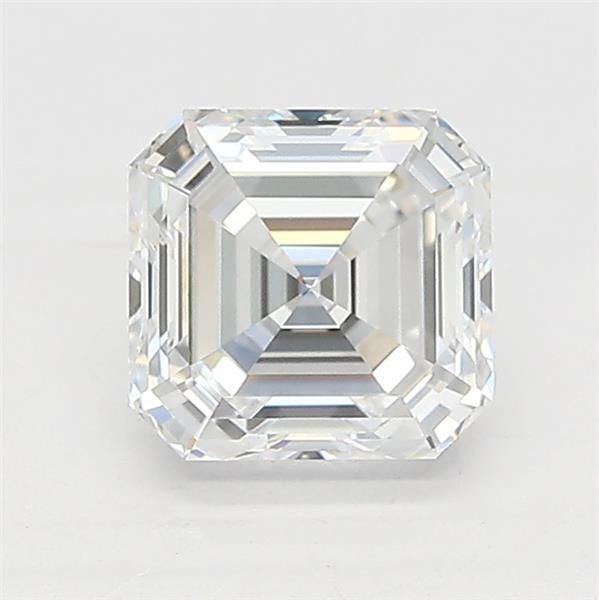 Asscher: The Square Art Deco Step Cut
The real 1902 invention behind the asscher cut, its distinctive windmill facet pattern, and why clarity matters as much here as on an emerald cut.
Read
Asscher: The Square Art Deco Step Cut
The real 1902 invention behind the asscher cut, its distinctive windmill facet pattern, and why clarity matters as much here as on an emerald cut.
Read
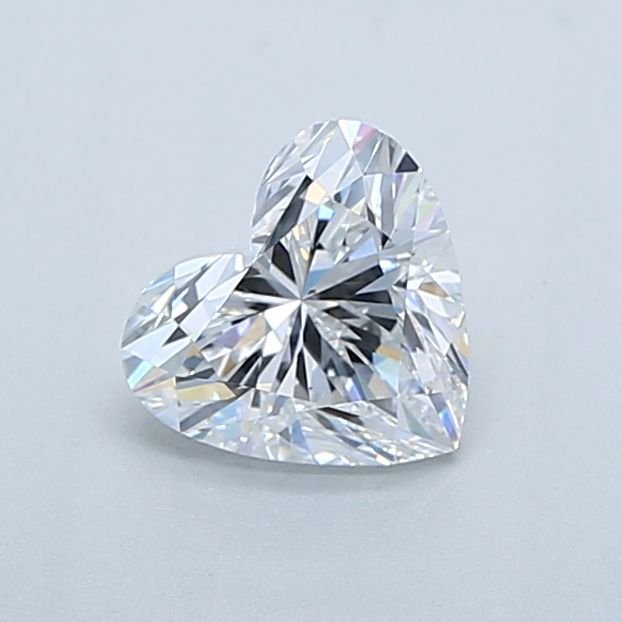 Heart: A Shape Chosen for What It Says
Why a heart cut is one of the hardest shapes to execute well, why size matters more here than usual, and who genuinely chooses it.
Read
Heart: A Shape Chosen for What It Says
Why a heart cut is one of the hardest shapes to execute well, why size matters more here than usual, and who genuinely chooses it.
Read
Setting & Band Styles
Setting & Band Styles
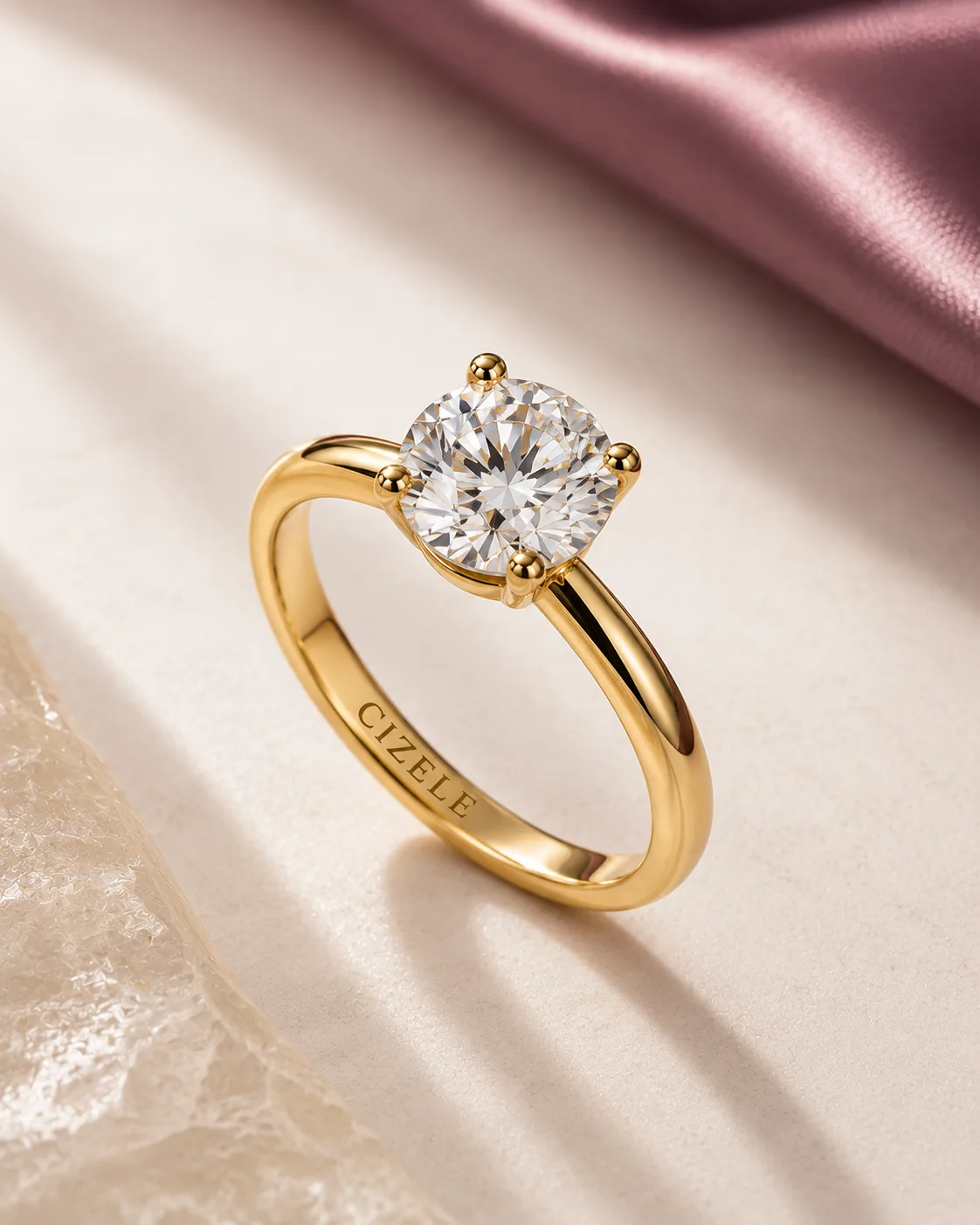 The Solitaire: One Stone, Nothing to Distract From It
The oldest, most enduring engagement-ring silhouette, in five real prong styles, and why cut quality matters more here than anywhere else.
Read
The Solitaire: One Stone, Nothing to Distract From It
The oldest, most enduring engagement-ring silhouette, in five real prong styles, and why cut quality matters more here than anywhere else.
Read
 The Halo: A Ring of Smaller Diamonds, Doubling the Light
A close-set ring of small diamonds that makes your center stone look larger and sparkle harder, in six distinct variations.
Read
The Halo: A Ring of Smaller Diamonds, Doubling the Light
A close-set ring of small diamonds that makes your center stone look larger and sparkle harder, in six distinct variations.
Read
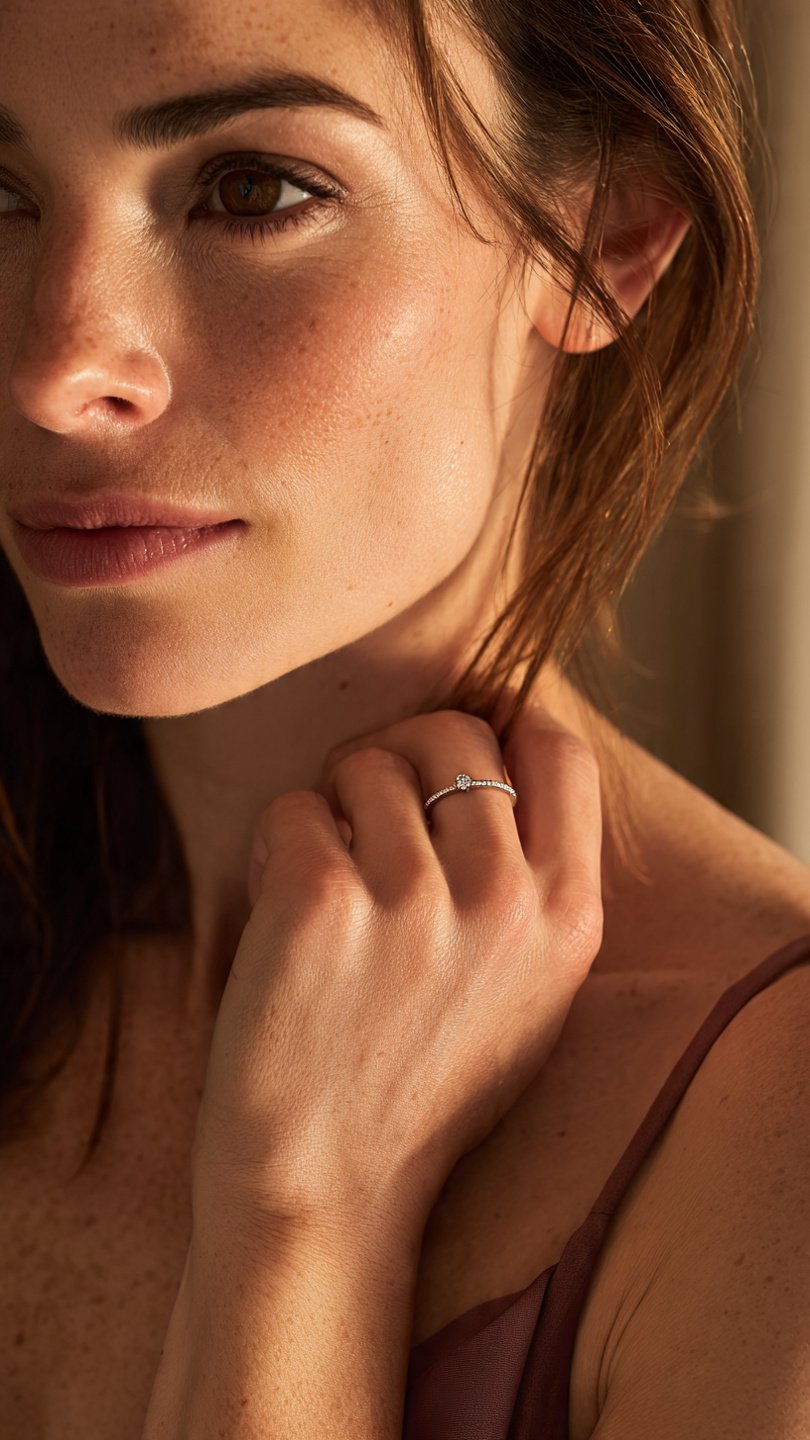 The Trilogy: Three Stones, Past, Present and Future
Where the "past, present, future" symbolism actually comes from, graduated vs. matched arrangements, and how to choose the side stones well.
Read
The Trilogy: Three Stones, Past, Present and Future
Where the "past, present, future" symbolism actually comes from, graduated vs. matched arrangements, and how to choose the side stones well.
Read
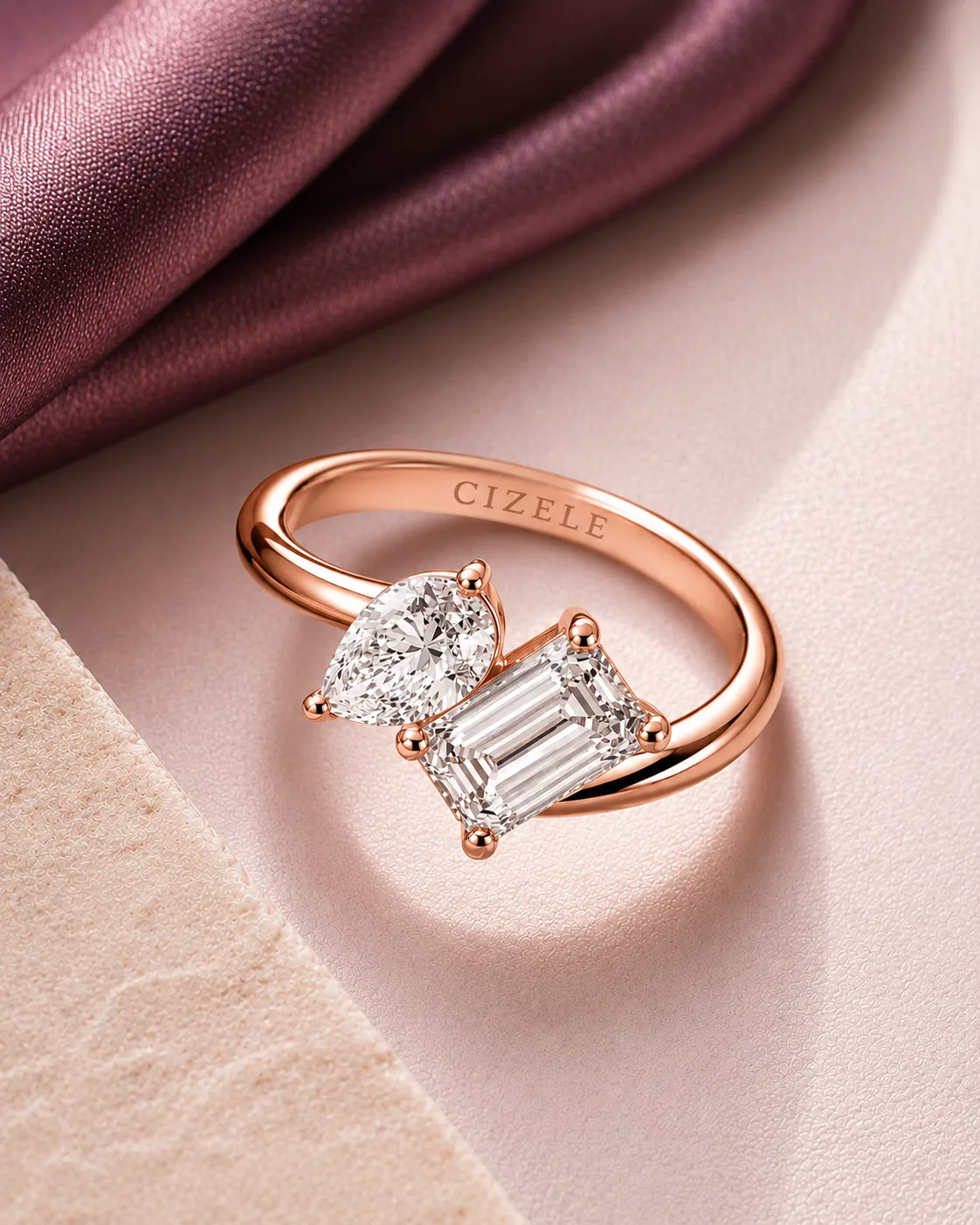 Toi et Moi: Two Stones Entwined, Two Souls, One Ring
The real 1796 royal origin of the two-stone ring, what makes a pairing actually striking, and who it genuinely suits.
Read
Toi et Moi: Two Stones Entwined, Two Souls, One Ring
The real 1796 royal origin of the two-stone ring, what makes a pairing actually striking, and who it genuinely suits.
Read
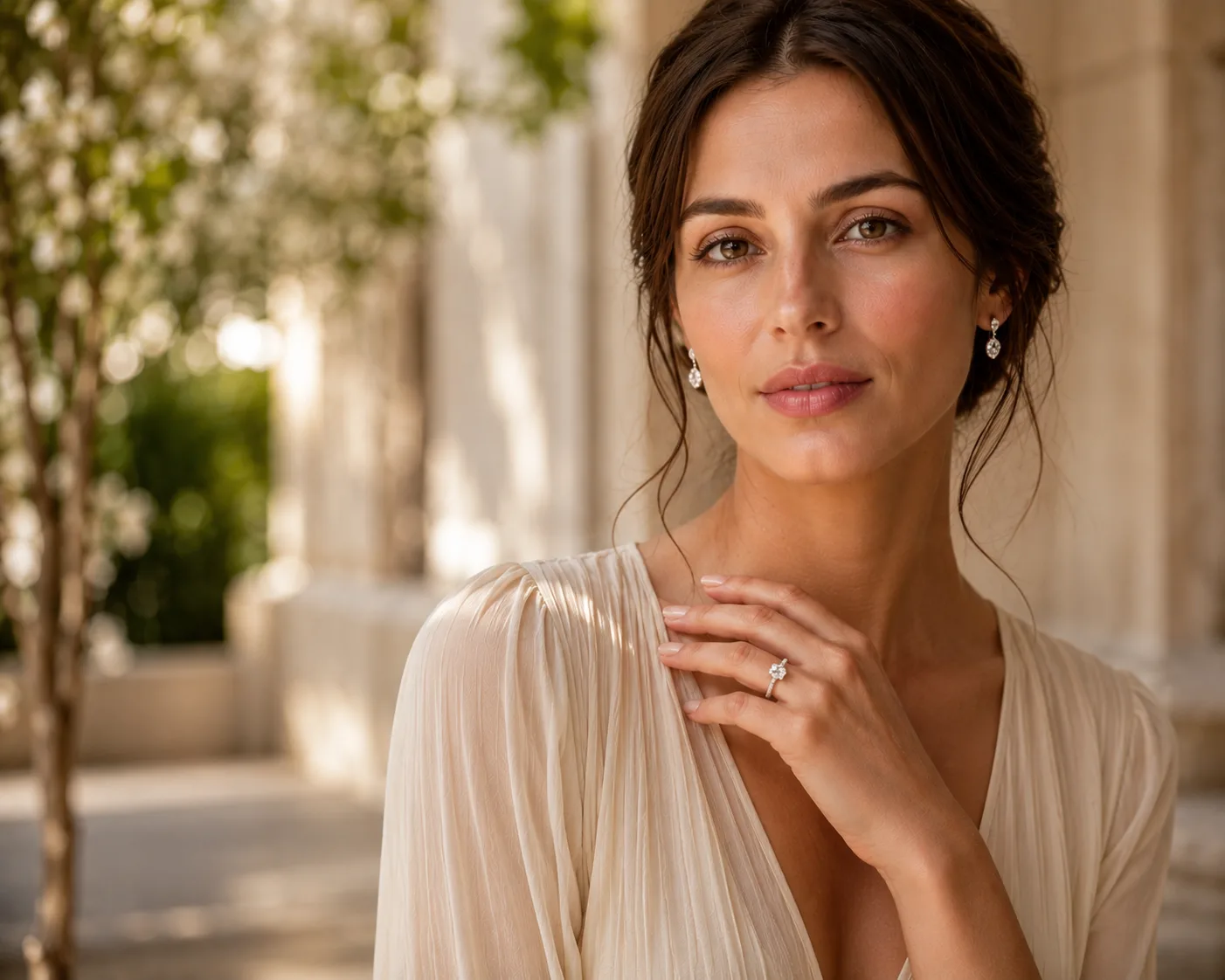 The Bezel: The Stone Wrapped in Metal, Modern and Secure
Why wrapping the whole stone in metal is the most protective setting we make, full vs. half bezel, and who it genuinely suits.
Read
The Bezel: The Stone Wrapped in Metal, Modern and Secure
Why wrapping the whole stone in metal is the most protective setting we make, full vs. half bezel, and who it genuinely suits.
Read
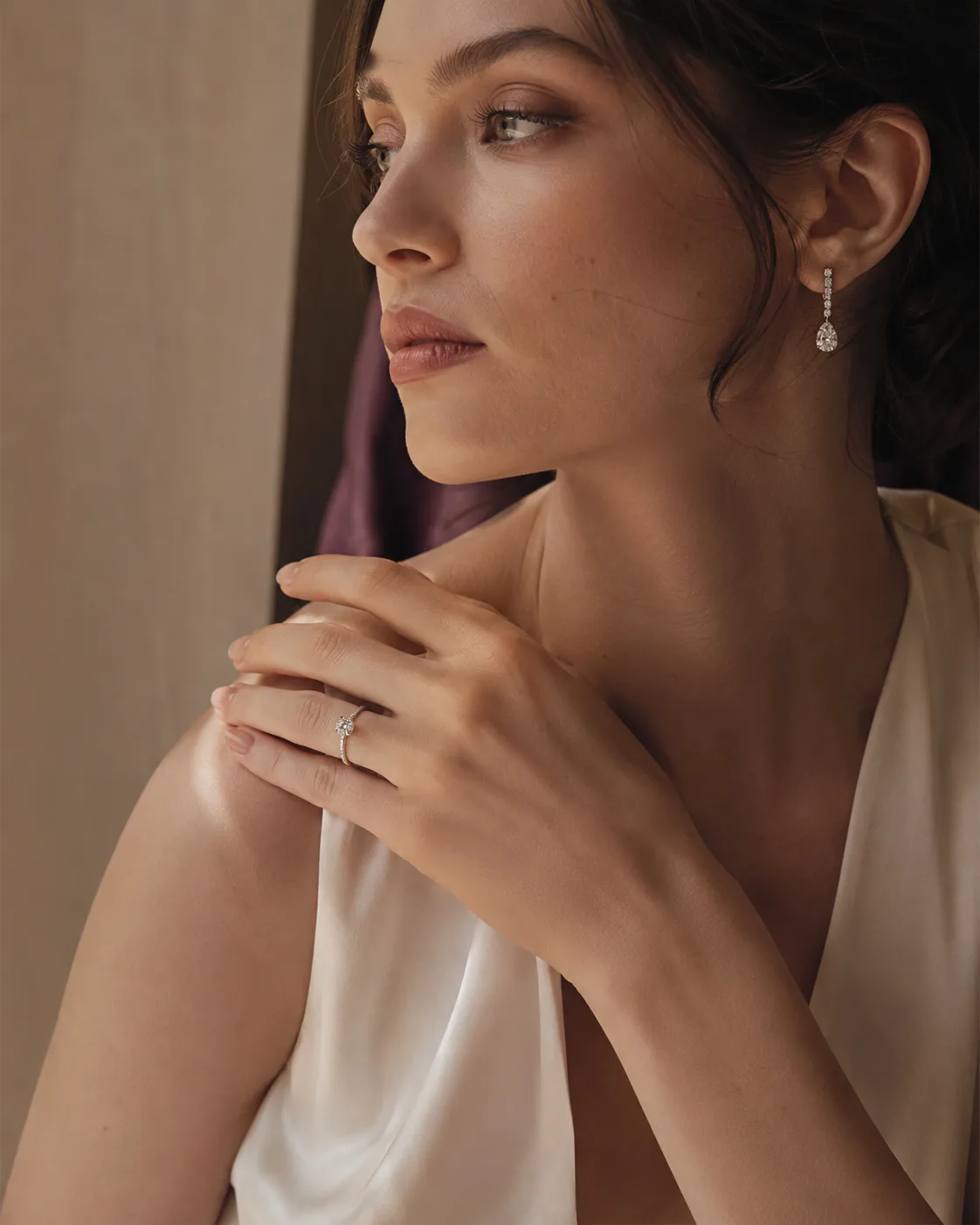 East-West: The Cut Turned Sideways, Quietly Unexpected
How rotating an elongated diamond 90 degrees changes its entire read, which cuts actually suit it, and who chooses it.
Read
East-West: The Cut Turned Sideways, Quietly Unexpected
How rotating an elongated diamond 90 degrees changes its entire read, which cuts actually suit it, and who chooses it.
Read
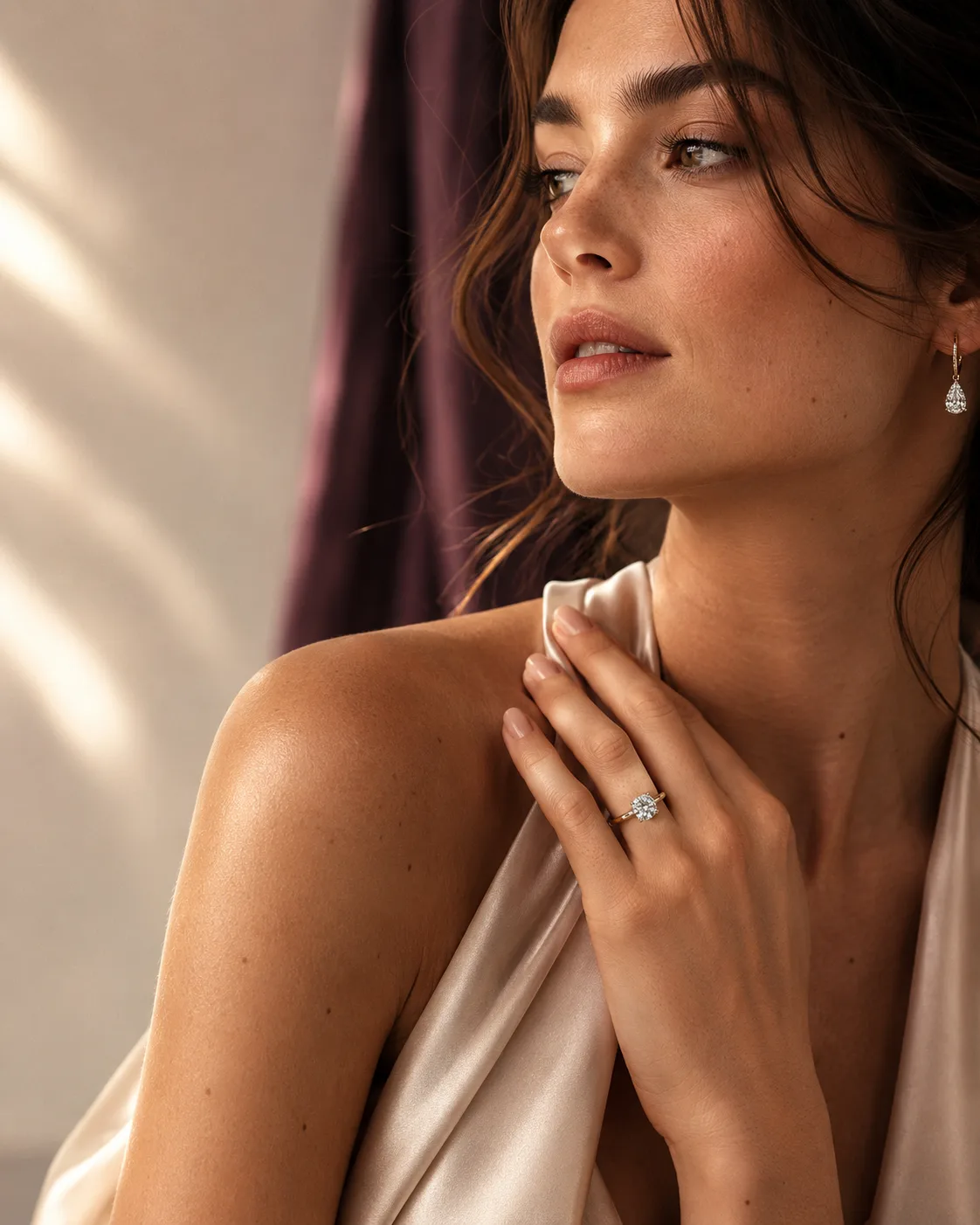 The Plain Band: Clean, Comfort-Forged, Quiet Forever
Why the interior profile, not the width, decides whether a plain band actually disappears on the hand, in three real profile shapes.
Read
The Plain Band: Clean, Comfort-Forged, Quiet Forever
Why the interior profile, not the width, decides whether a plain band actually disappears on the hand, in three real profile shapes.
Read
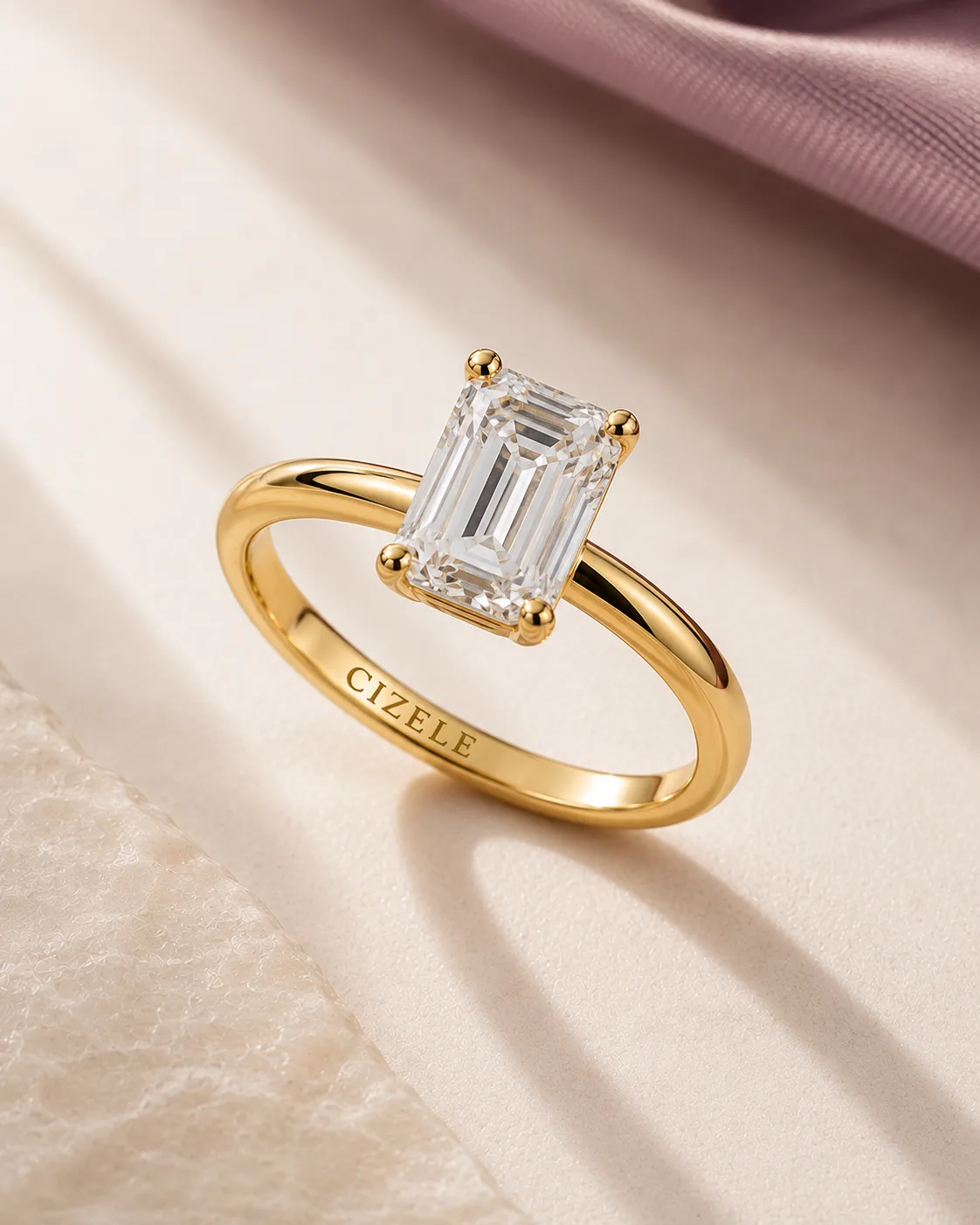 The Pavé Band: A Line of Light, Set With Small Diamonds
The demanding technique behind a genuine pavé line of light, full vs. half vs. micro-pavé, and why the metalwork matters more than the stones.
Read
The Pavé Band: A Line of Light, Set With Small Diamonds
The demanding technique behind a genuine pavé line of light, full vs. half vs. micro-pavé, and why the metalwork matters more than the stones.
Read
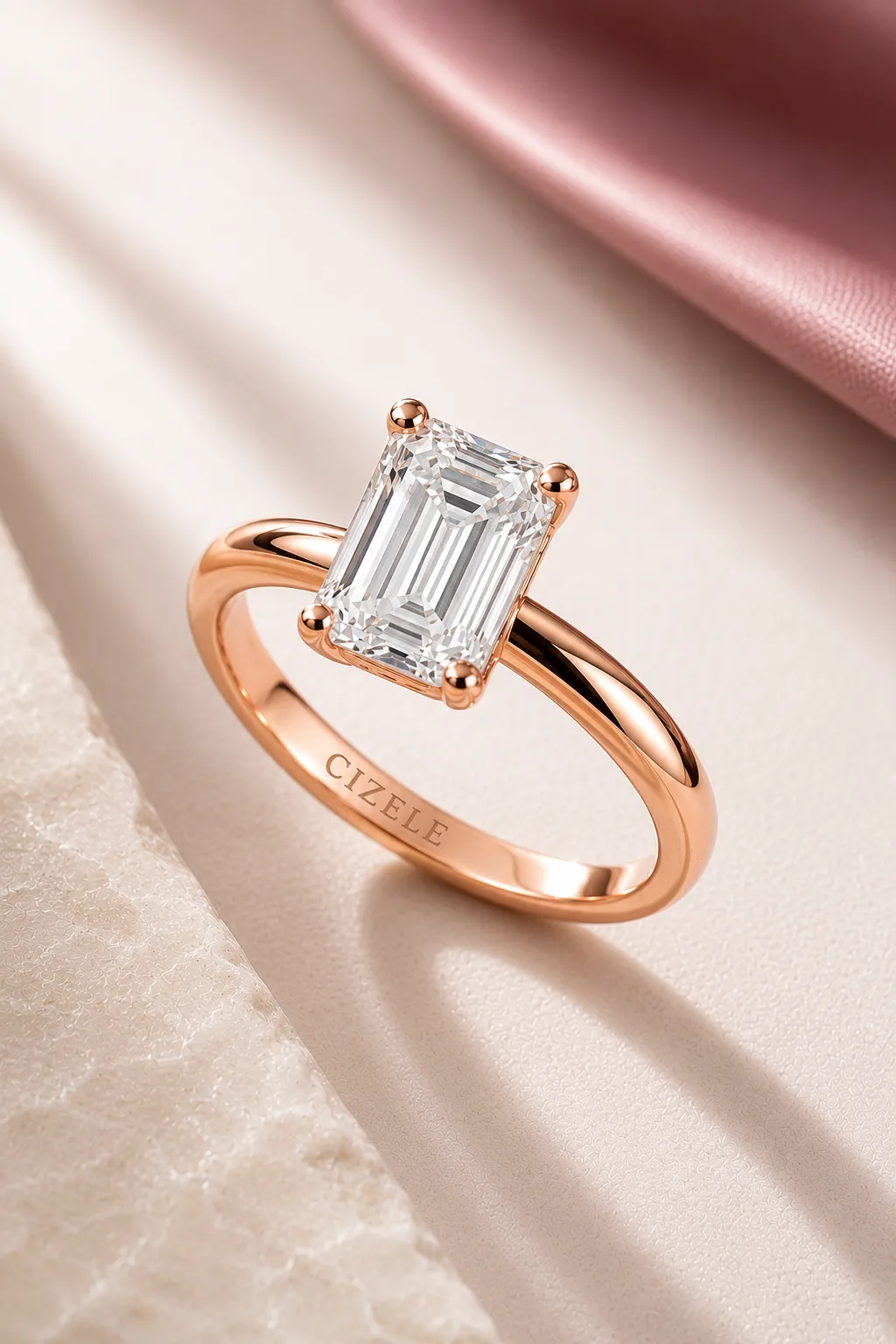 The Accented Band: Diamonds Part-Way, a Little More Presence
The deliberate middle ground between plain and pavé, three real ways to place the accent stones, and why orientation matters more than you'd think.
Read
The Accented Band: Diamonds Part-Way, a Little More Presence
The deliberate middle ground between plain and pavé, three real ways to place the accent stones, and why orientation matters more than you'd think.
Read
The Bespoke Process
The Bespoke Process
A designer can walk you through all of it.
No prices online, no obligation, just a private conversation about what you're imagining.