Asscher: The Square Art Deco Step Cut
The real 1902 invention behind the asscher cut, its distinctive windmill facet pattern, and why clarity matters as much here as on an emerald cut.
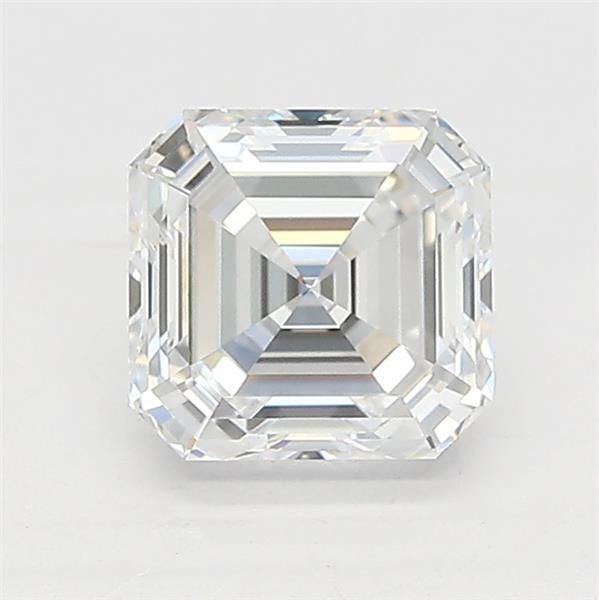
A square step cut invented in 1902 by the Asscher Brothers of Amsterdam, and an Art Deco icon ever since. Cropped corners and concentric step facets create a distinctive “windmill” pattern visible from directly above.
- Invented in 1902, one of the oldest named diamond cuts still in regular use today.
- A “windmill” facet pattern, concentric squares that appear to spin slightly as the stone moves.
- Clarity matters more here, the same open, step-cut facets that expose an emerald cut’s inclusions apply equally here.
- An Art Deco-era signature, square symmetry with a more architectural sparkle than a brilliant cut.
A real, dated invention
Unlike shapes that evolved gradually over decades, the asscher cut has a specific, documented origin: patented in 1902 by the Asscher Brothers, an Amsterdam cutting house still respected in the trade today. Its square, deeply stepped facets became one of the defining looks of Art Deco jewelry through the 1920s and 30s, and the shape’s popularity has returned in step with broader Art Deco-revival design.
The windmill effect
An asscher’s concentric step facets create a distinctive optical pattern viewers describe as a “windmill,” a set of nested squares that appear to rotate subtly as the stone catches light from different angles. It is one of the more instantly recognizable facet patterns in fine jewelry, and a large part of the shape’s appeal.
A 1902 invention, still unmistakably itself.
Why clarity still matters
As a step cut, an asscher shares the emerald cut’s clarity sensitivity: open, mirror-like facets show inclusions more readily than a brilliant cut’s scattering pattern would. The same buying advice applies, prioritize a higher clarity grade here than you might on a round or cushion of similar budget.
Who chooses asscher, and when
Asscher is a strong choice for clients specifically drawn to Art Deco design, or who want a square silhouette with more architectural, geometric sparkle than a princess cut’s brilliant faceting provides.
Asscher or emerald
Both share the same step-cut optical family. Choose asscher for a square, more symmetrical outline. Choose emerald for an elongated, rectangular one instead.
No prices online, no obligation, just a conversation about what you're imagining.
Explore asscher diamonds