21k Gold vs 18k Gold: Which Is Right for a Ring?
21k gold is the Egyptian jewellery standard; 18k is preferred for diamond rings. See why the karat matters and what it means for a bespoke piece.
21k gold is 21 parts gold out of 24, or 87.5% pure, and it is the standard most everyday gold jewellery is sold in across Egypt. 18k gold is 75% pure, and it is the standard most fine jewellers use for diamond rings, because the extra alloy makes it harder and better able to hold a stone securely over years of daily wear. The right karat depends on what the piece is for, not which one is “better” gold.
What does the karat number actually mean?
Karat measures how much of a piece is pure gold out of 24 parts. 24k is pure gold, which is soft and easily marked. Every karat below that mixes in other metals, usually copper, silver or palladium, to add strength and, in white gold, to shift the colour. 21k gold is 87.5% pure; 18k gold is 75% pure; 14k, common in the West for everyday jewellery, is 58.5% pure. A higher karat number means more gold and a deeper colour, not necessarily a better ring.
Why is 21k gold common in Egypt?
Egyptian gold jewellery has long been sold and valued by weight in 21k, and it is the karat most buyers expect when they think of gold as an investment as much as an ornament. It carries a richer, warmer yellow than 18k because it holds more pure gold relative to alloy. For pieces bought mainly for their gold content and worn occasionally, that higher purity suits how the market prices and resells gold.
Why do fine jewellers use 18k gold for diamond rings?
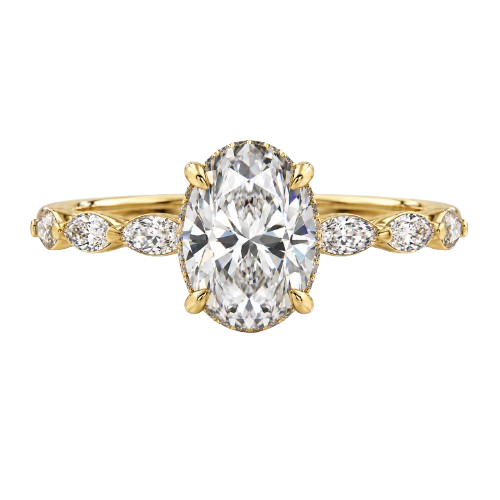
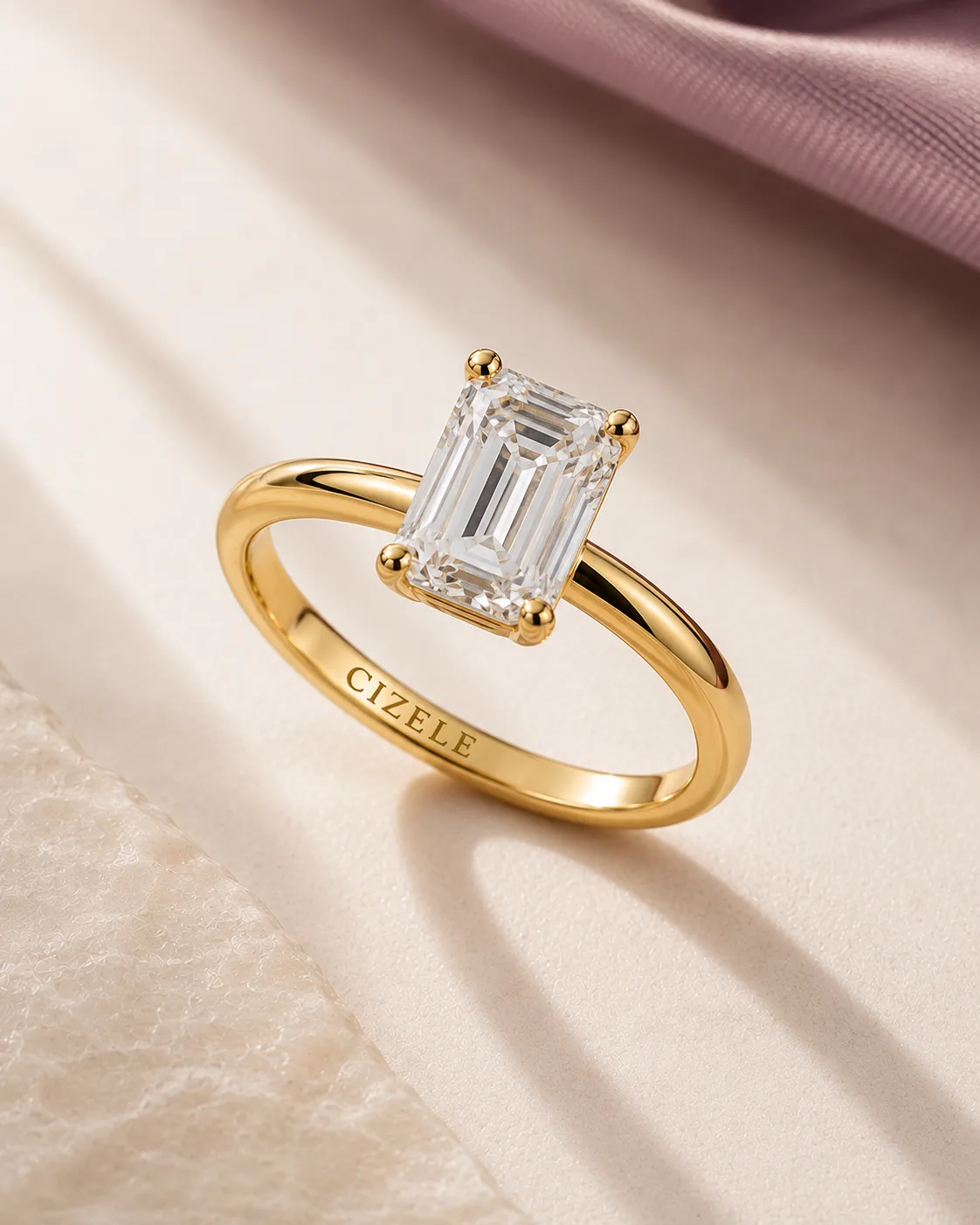
A ring holding a diamond is worn daily and has to grip the stone securely through knocks, water and years of use, and pure gold or higher-karat gold is softer and wears down faster under that kind of use. 18k gold’s added alloy makes it noticeably harder than 21k, which matters most at the prongs or bezel actually gripping the stone. That is why 18k is the standard karat for diamond engagement rings and fine settings generally, independent of which country is selling them. It also takes colour better for white gold and holds detail in fine settings such as pavé work better than a softer, higher-karat alloy would, which is part of why an 18k gold ring is the usual recommendation for a diamond engagement piece.
Does the karat change the colour?
Karat and colour are related but not the same choice. Yellow gold, white gold and rose gold are all achievable at 18k; the colour comes from which alloy metals are mixed in, not from the karat number itself. A higher-karat gold in any colour will always read slightly warmer and more saturated than the same colour at a lower karat, because there is more pure gold present.
Does karat affect how a ring is resized or repaired?
Yes. Softer, higher-karat gold is easier to reshape but also easier to wear thin or scratch over time, while 18k gold holds its shape and setting better under the same repeated resizing or repair work a ring goes through over a lifetime. This is one reason fine jewellers keep to 18k for pieces meant to be worn daily and adjusted occasionally, rather than pieces bought mainly to be kept.
Choosing a karat for a bespoke ring
For an engagement ring or wedding band meant to be worn every day, 18k gold is the fine-jewellery standard because it balances durability with a genuine gold content, and most settings, from a solitaire to a bezel to a toi et moi, are designed around metal of that hardness. Shape also plays a part in how a setting wears: a round or cushion stone in a raised setting puts different stress on the metal than a flush east-west piece. Anyone weighing metal choices against overall spend may find how much to actually spend on an engagement ring in Egypt a useful starting point.
Does karat purity affect resale or investment value?
For gold bought mainly as an investment, higher karat gold is generally worth more per gram, because it contains more pure gold and less alloy. This is part of why 21k gold dominates the general Egyptian jewellery market: buyers are often weighing the piece’s gold value alongside its design. A diamond ring is a different case, since its value sits mostly in the certified stone rather than the metal weight, so the karat argument that favours 21k for plain gold jewellery does not carry over in the same way once a diamond is the main investment in the piece.
Start designing
A bespoke ring at CIZELE starts from a diamond, a shape, a setting and a metal chosen together, generally finished in about two to six weeks from consultation to ring. Metal choice is one of the first questions in that conversation, alongside stone shape and setting, because it affects both how the finished piece looks and how it wears over years of daily use. Outline a design on /create/, ask about metal and karat directly over WhatsApp, or book a private video consultation to talk through what suits a specific ring before anything is made.