Gold Ring Colour: Yellow, White or Rose, and Why
Choosing a gold ring by colour: what yellow, white and rose gold do against skin and a diamond, and which suits engagement, wedding or daily wear.
Choosing a gold ring usually comes down to colour before anything else: yellow, white or rose, and each does something different against skin tone, against a diamond, and over years of daily wear. This is a separate question from karat, which decides how much gold is in the ring rather than what shade it is, so the two should not be confused when you are deciding what to wear on your hand every day.
Yellow gold: the warmest and most traditional
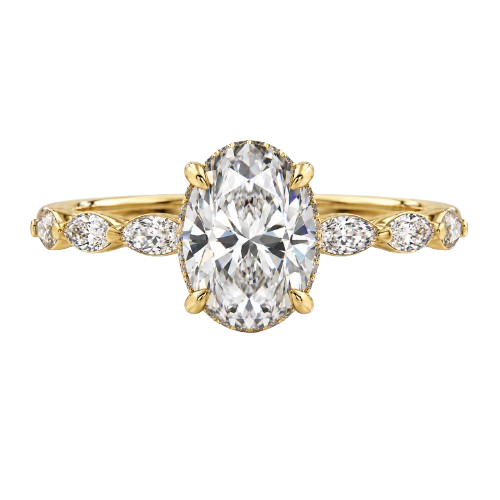
Yellow gold is the closest colour to gold in its natural state, warmed further by the alloy mixed in for strength. It suits warmer, olive or deeper skin tones particularly well and has never gone out of fashion for engagement and wedding rings in Egypt specifically. Against a diamond, yellow gold can make a stone appear to pick up a faint warm tint at the edges, which some people like for the softer look it gives and others avoid, preferring a setting that keeps the stone reading as colourless as possible.
White gold: cool, bright, and needs upkeep
White gold is yellow gold alloyed with white metals and then plated in rhodium to give it its bright, silvery finish. That plating is the detail most buyers are not told about upfront: it wears thin over one to two years of daily wear and needs re-plating to keep its original brightness, an ongoing cost a plain yellow gold ring never has. Against a diamond, white gold keeps the stone reading as cool and colourless as the setting itself, which is why it remains the most requested metal for a diamond solitaire despite the maintenance. White gold’s alloy usually includes nickel, and a small number of people find it irritates sensitive skin once the rhodium plating wears thin enough to expose the metal underneath; anyone who has reacted to costume jewellery in the past is worth mentioning this to a designer before choosing white gold for a ring worn every day.
Rose gold: softer, warmer, and it deepens with time
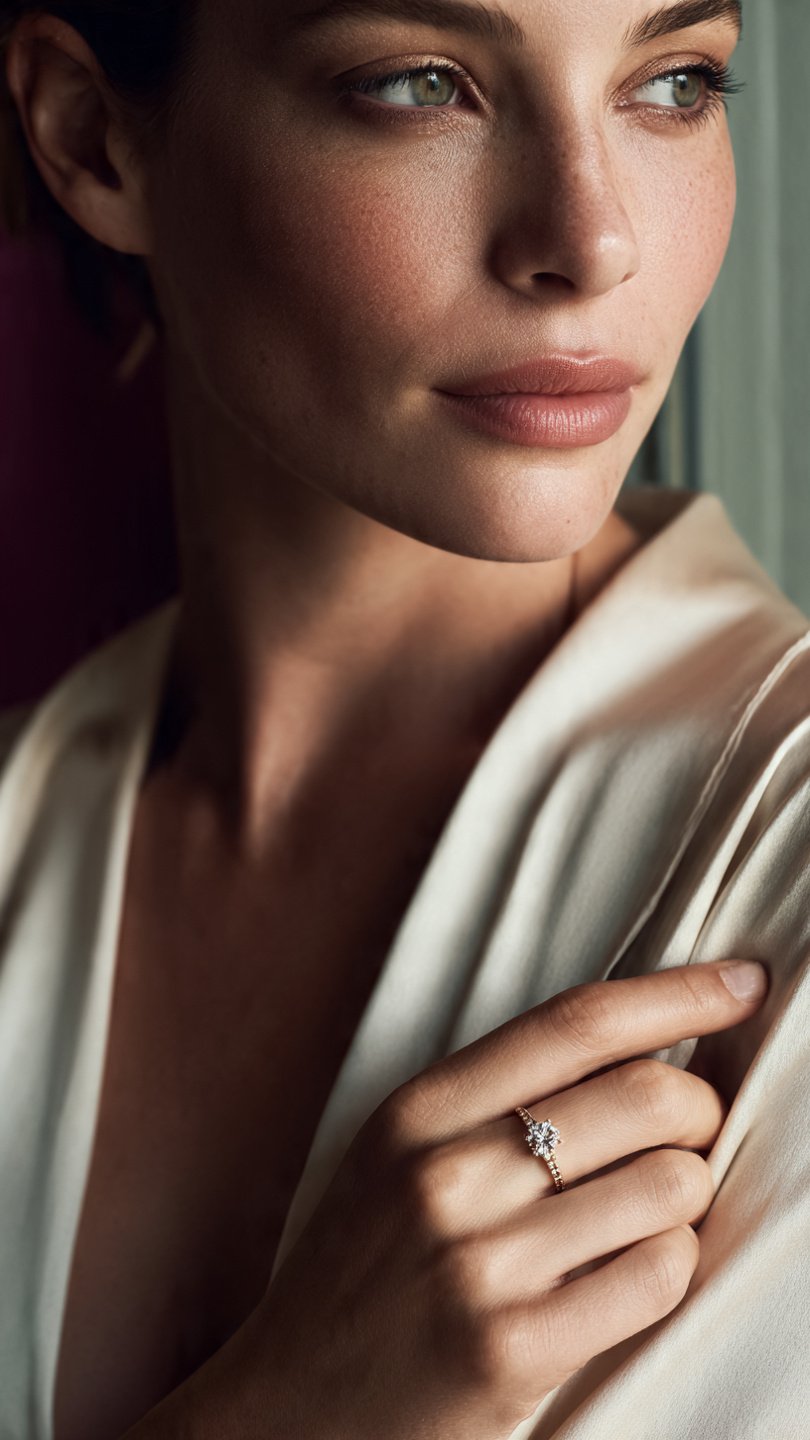
Rose gold gets its colour from a higher proportion of copper in the alloy, which gives it a warmer, pinkish cast that suits paler skin tones especially well and reads as softer than yellow gold in daily light. Unlike white gold’s plating, rose gold’s colour is the metal itself, so it does not need re-plating, though the copper content means it can deepen slightly in tone over years, which most people find flattering rather than a flaw. In strong daylight, the difference between the three colours becomes more obvious than it looks indoors: yellow gold reads warmer and glows more under direct sun, white gold stays coolest and can look almost silver against bright light, and rose gold sits between the two, keeping its warmth without yellow gold’s intensity. Given how much time jewellery spends outdoors in Egypt, it is worth judging colour against natural daylight rather than under indoor lighting alone.
Which colour for which ring
Our engagement ring guide covers style and setting decisions in full; colour is one part of that choice. An engagement ring is worn every day for decades, so colour is worth deciding against your skin tone and your existing jewellery rather than a photograph. A wedding band is chosen to sit against the engagement ring, so matching or deliberately mixing the two metals is the real decision there, not the band’s colour in isolation. An everyday ring with no stone can carry a bolder colour choice, since it is not competing with a diamond for attention the way an engagement ring’s setting is. If the question you actually have is about karat rather than colour, that is a separate decision from everything here: our guides to 18k gold rings and 21k gold versus 18k gold cover purity, strength and price directly, so this article stays on colour and purpose rather than repeating that comparison.
Wearing colours over years, and mixing them
Because white gold needs re-plating and rose gold deepens gently while yellow gold stays essentially the same, the metal you choose changes what owning the ring looks like ten years in, not just what it looks like on the day. None of the three is objectively better; the difference is how much upkeep you are willing to do for the brightest possible finish versus a colour that needs none. A ring also does not have to commit to a single colour: a two-tone setting combines two metals in one piece, a different-coloured band can sit under a solitaire head, or an engagement ring in one metal can be worn beside a wedding band in another. All of these are established choices rather than a compromise, and mixing metals across an engagement ring and its band is more common than matching them exactly, since the two pieces are usually bought separately and at different times, and a good pairing is judged on how the metals sit together rather than on being identical.
Building your gold ring with CIZELE
Every CIZELE ring is designed with you and made to order in the colour you choose, set with a certified diamond, natural or lab-grown, from live inventory where the design calls for one. Start designing on /create/ or bring the colour decision to a private video consultation. Lead time runs about two to six weeks from consultation to finished ring. Message CIZELE on WhatsApp for a quick question first.