
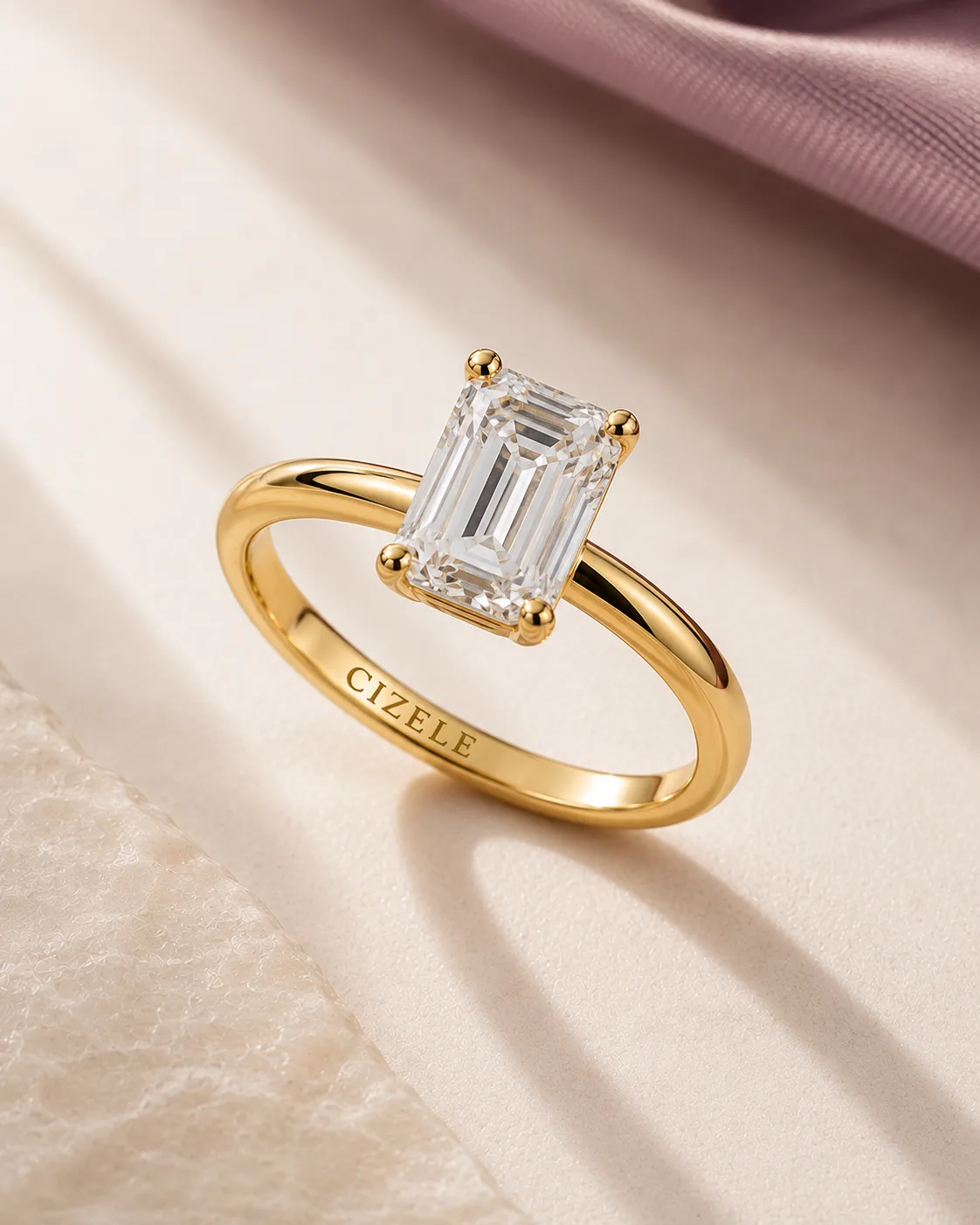
White Gold vs Platinum: Which Suits Your Daily Ring
White gold vs platinum: both look alike new but wear differently. Here's how plating, weight and scratching compare, so you can choose with confidence.
White gold vs platinum is really a question about how a ring ages, not how it looks on day one, because the two metals look almost identical when new and then wear in completely different ways over the years that follow. White gold is a yellow or rose gold alloy plated in rhodium to look bright white, so the plating eventually wears thin and needs redoing; platinum is naturally white all the way through and never needs replating, but it’s a softer metal that develops a visible patina from daily scratching. This guide compares white gold vs platinum on plating, weight, durability and daily wear, so you can choose the one that actually suits how you’ll live with the ring.
White gold vs platinum: what’s the real difference?
White gold is gold, usually 18k, meaning 75% pure gold, alloyed with white metals and then coated in a thin layer of rhodium to give it that bright, silvery-white colour, since gold itself is naturally yellow. Platinum is a different element entirely, used in rings at a high purity (typically 95% or more) and naturally white, so there’s no coating to wear through. That single fact, a coating versus no coating, is the root of almost every other difference between the two metals described below. Our separate guides to the white gold ring and the platinum ring each cover one metal on its own; this one puts them side by side.
Does white gold really need replating, and how often?
Yes. The rhodium layer on a white gold ring wears thin with daily contact (hands, surfaces, other jewellery) and the yellow or rose gold underneath starts to show through as a faint warm tint, usually within one to three years depending on how the ring is worn. Replating restores the bright white finish and is a normal, expected part of owning a white gold ring rather than a sign anything has gone wrong, and it’s worth budgeting for as routine upkeep rather than a repair. Platinum skips this step entirely: because the metal is white at its core, there’s no plating to wear away, which is the single biggest practical difference between the two metals over a ten-year span of daily wear.
Which metal is heavier, and does that matter?
Platinum is noticeably denser than gold, so a platinum ring in the same design and size will feel heavier on the hand than the equivalent white gold ring. Some people read that weight as reassuring and substantial; others find it less comfortable for all-day wear, particularly on a ring worn constantly rather than for occasions. There’s no objectively right answer here, and it’s worth keeping the difference in weight in mind when choosing rather than assuming heavier is automatically better. A larger stone or a wider band amplifies the weight difference further, so the effect is more noticeable on a bolder design than on a slim one.
Which metal holds up better to daily scratching?
This is where the two metals behave almost opposite to how people expect. White gold is a harder alloy and resists scratching reasonably well, so it tends to keep a brighter, sharper finish day to day (helped along by replating). Platinum is softer, so it scratches more easily, but rather than losing metal the way gold does, platinum displaces: a scratch pushes metal sideways rather than removing it, which is why platinum rings develop a soft, brushed-looking patina over years instead of thinning out. Some people polish that patina away to restore the original shine; others prefer the worn, lived-in look and leave it as it is. Neither is more “correct”; it’s a matter of maintenance preference, not one metal failing where the other succeeds.
So which should you actually choose?
If you’d rather have a brighter finish most of the time and don’t mind having the ring replated occasionally, white gold is the lower-maintenance choice in the short term. If you want a metal that’s white for good with no plating cycle, and you’re comfortable with a scratch patina developing naturally (or polishing it off occasionally), platinum is the lower-upkeep choice in the metal itself.
One practical point is worth weighing if you use your hands all day: replating means the ring goes away to be worked on and your finger is bare while it does, which comes round every year or two for the life of the ring. Platinum has no equivalent cycle.
Skin sensitivity is the other thing worth raising before you choose. White gold has to be alloyed with other metals to turn gold white, and some of those alloys contain nickel, which a small number of people react to against the skin. Platinum used at 95% purity or above has very little else in it, so it is the safer choice if you already know you react to costume jewellery or to a watch case. If you are unsure, say so on the consultation and ask what the white gold is alloyed with before the ring is made rather than after. Both metals set diamonds equally well, and the decision has no bearing on the stone itself, the certificate it carries (GIA and IGI are the two labs worth checking a certificate against), or which shape you choose. At CIZELE, a ring is made to order in whichever of these metals you prefer, usually within 2 to 6 weeks of a first conversation. Start by sketching the design in the ring builder or booking a private video consultation to talk through the metal and the stone together, or message us directly on WhatsApp.
